A New Kyoto Suit Born Between Light and Shadow
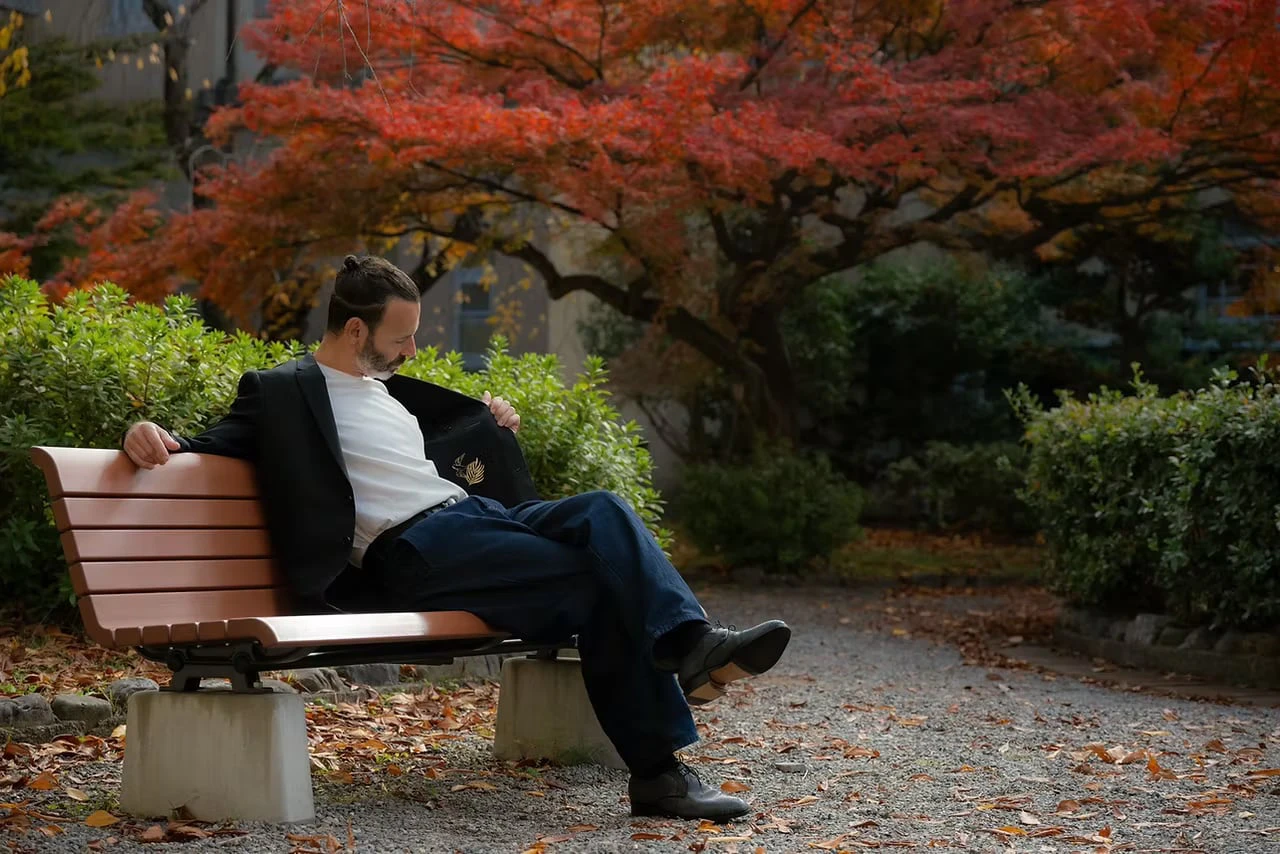
KOMOREBI Kyoto tailors Kyoto Yuzen, a dyeing craft with over 300 years of history, into contemporary suits and jackets. Rather than preserving tradition, it lets the craft live on in the space between light and shadow.
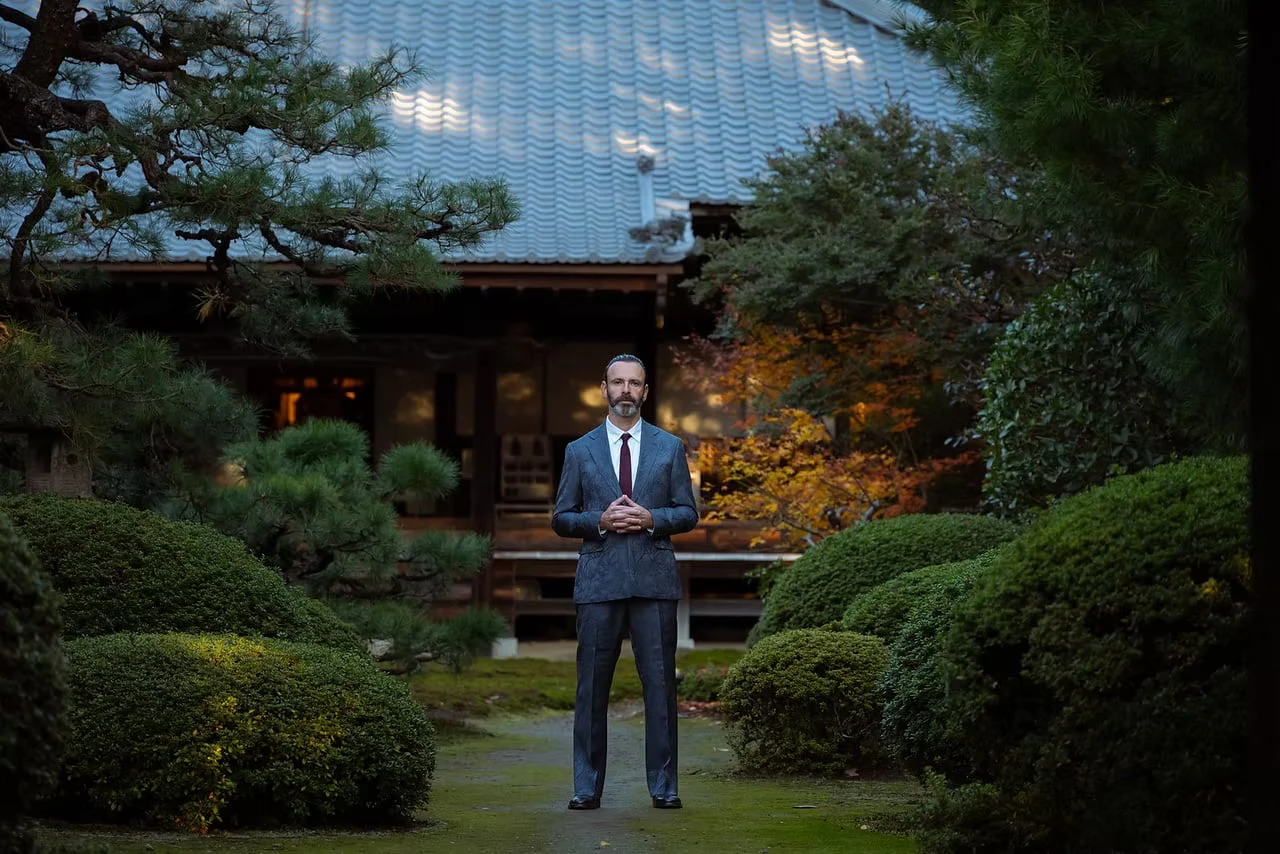
In Kyoto, there exists a brand that does not speak loudly, yet leaves a lasting impression. Its name is KOMOREBI Kyoto.
Working with kimono textiles, most notably Kyō-yūzen (Kyoto Yuzen)京友禅A dyeing technique handed down in Kyoto, in which paste-drawn outlines allow painterly patterns to be dyed onto silk. Its name is said to come from Miyazaki Yūzensai, a painter of the mid-Edo period.See the glossary, a dyeing craft with over 300 years of history, the brand transforms traditional fabric into contemporary suits and jackets. But KOMOREBI Kyoto is not merely preserving tradition. It is an attempt to translate the quiet strength cultivated in Japan into modern garments.
Refusing to Turn Kyoto Yuzen into a Relic
Kyoto Yuzen, one of Japan’s three great Yuzen traditions, has reflected the changing seasons, the stillness of temples and the soft light filtering into Machiya町家A traditional townhouse facing the street, combining shop and home. Those in Kyoto are known for their narrow frontages and deep plans.See the glossary townhouses since the Edo period.
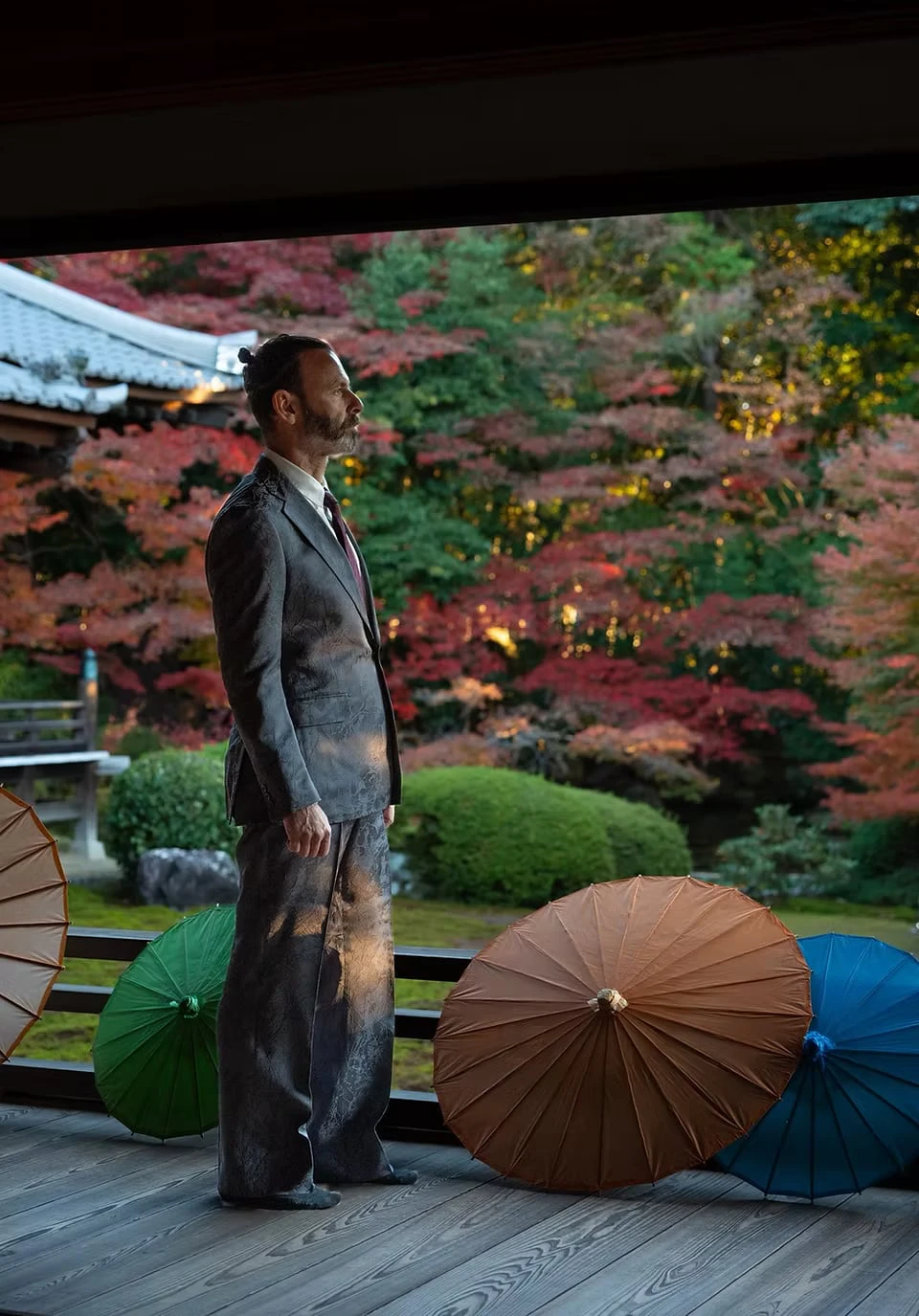
Today, however, this cultural legacy stands at a quiet crossroads.
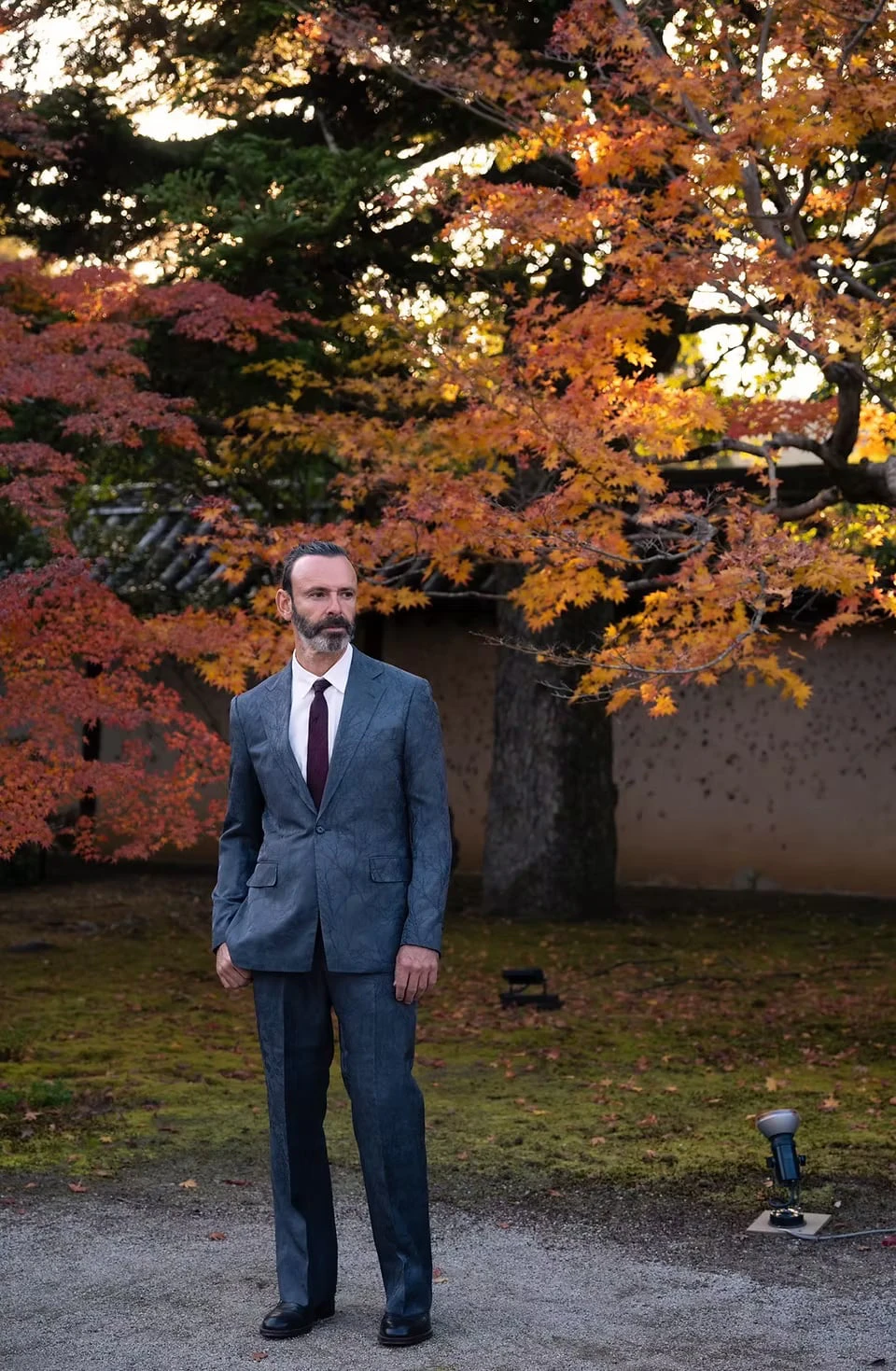
Rather than sealing Kyoto Yuzen away as heritage to be admired from afar, KOMOREBI Kyoto chooses to let it live again, functioning within contemporary attire. By fusing the refined craftsmanship of traditional artisans with the precision of modern tailoring, the brand embeds Yuzen into a globally understood format: the suit.
It is not preservation for its own sake. It is continuity through transformation.

Standing in the Space Between Light and Shadow
KOMOREBI Kyoto does not celebrate blinding light. Nor does it retreat into darkness.
Like sunlight filtering gently through leaves (Komorebi木漏れ日Sunlight filtering through the leaves of trees.See the glossary in Japanese), it stands in the space between.


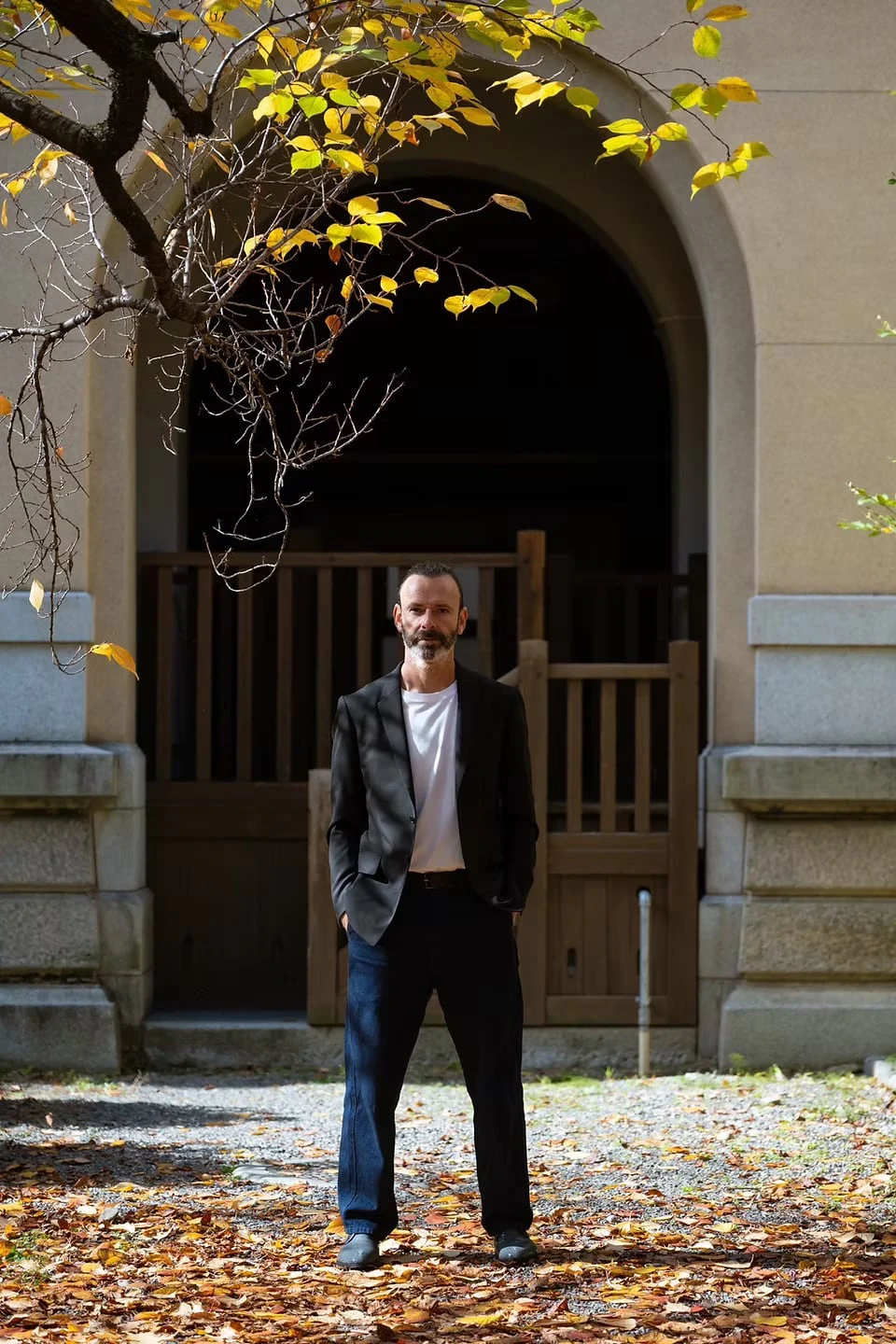
Outwardly, the garments carry restraint and composure. Within, they conceal the rich expression of Kyoto Yuzen, the subtle fluctuations born from handcraft, and an unwavering pride shaped by centuries of history.


This is beauty chosen not for display, but for presence. It does not seek to address everyone. It quietly reaches only those who resonate with its stance.

Dignity Rooted in Silence
At the philosophical core of KOMOREBI Kyoto lies a lineage of Japanese thought.
Inazo Nitobe, in Bushido, wrote of dignity residing in silence: strength that needs no proclamation, sincerity expressed through restraint.

Tenshin Okakura, in The Book of Tea, revealed beauty within shadow and negative space: an appreciation of subtlety, imperfection and depth.
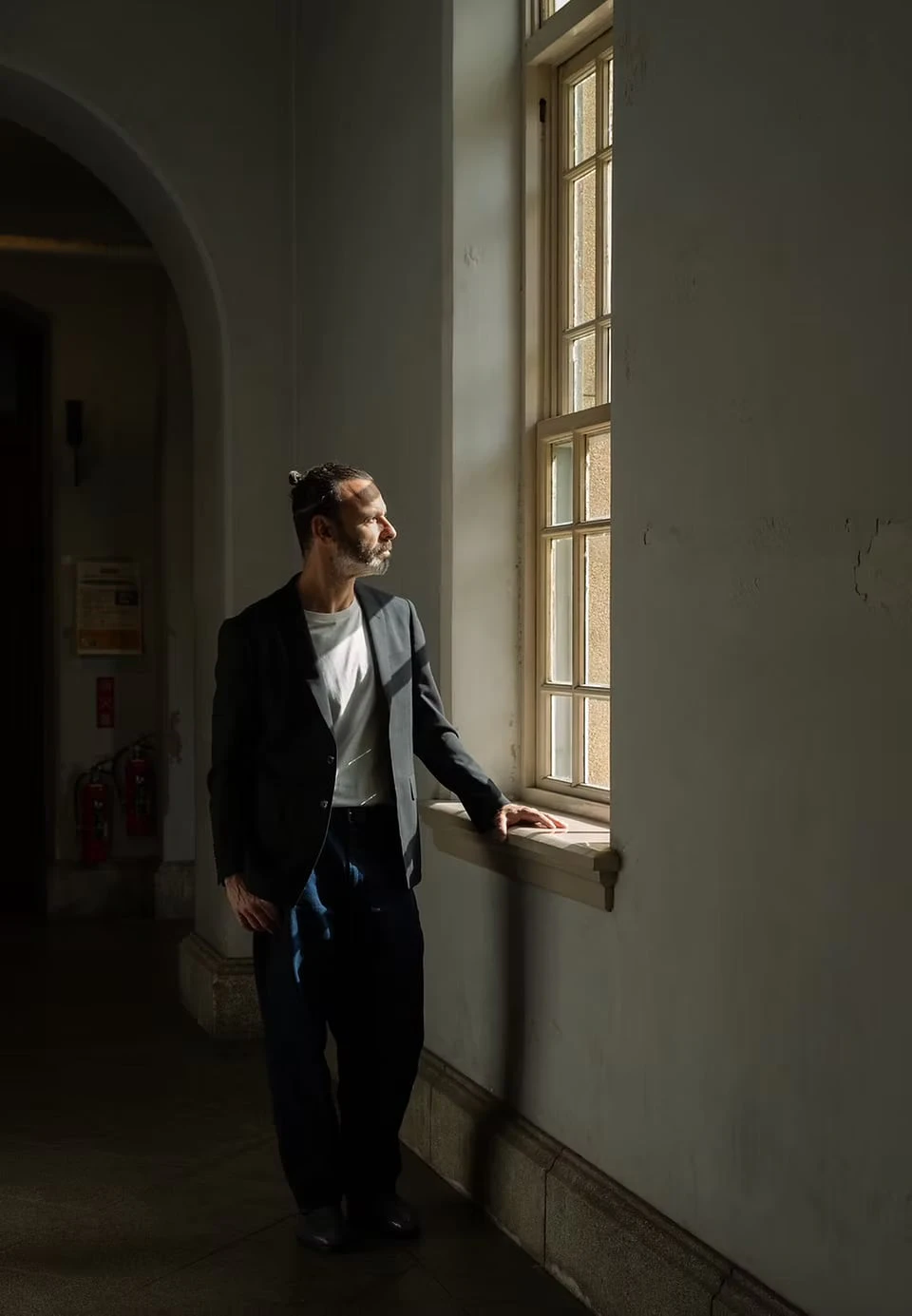
These ideas converge within each garment. The outer calm. The inner conviction. A duality of composure and concealed intensity.
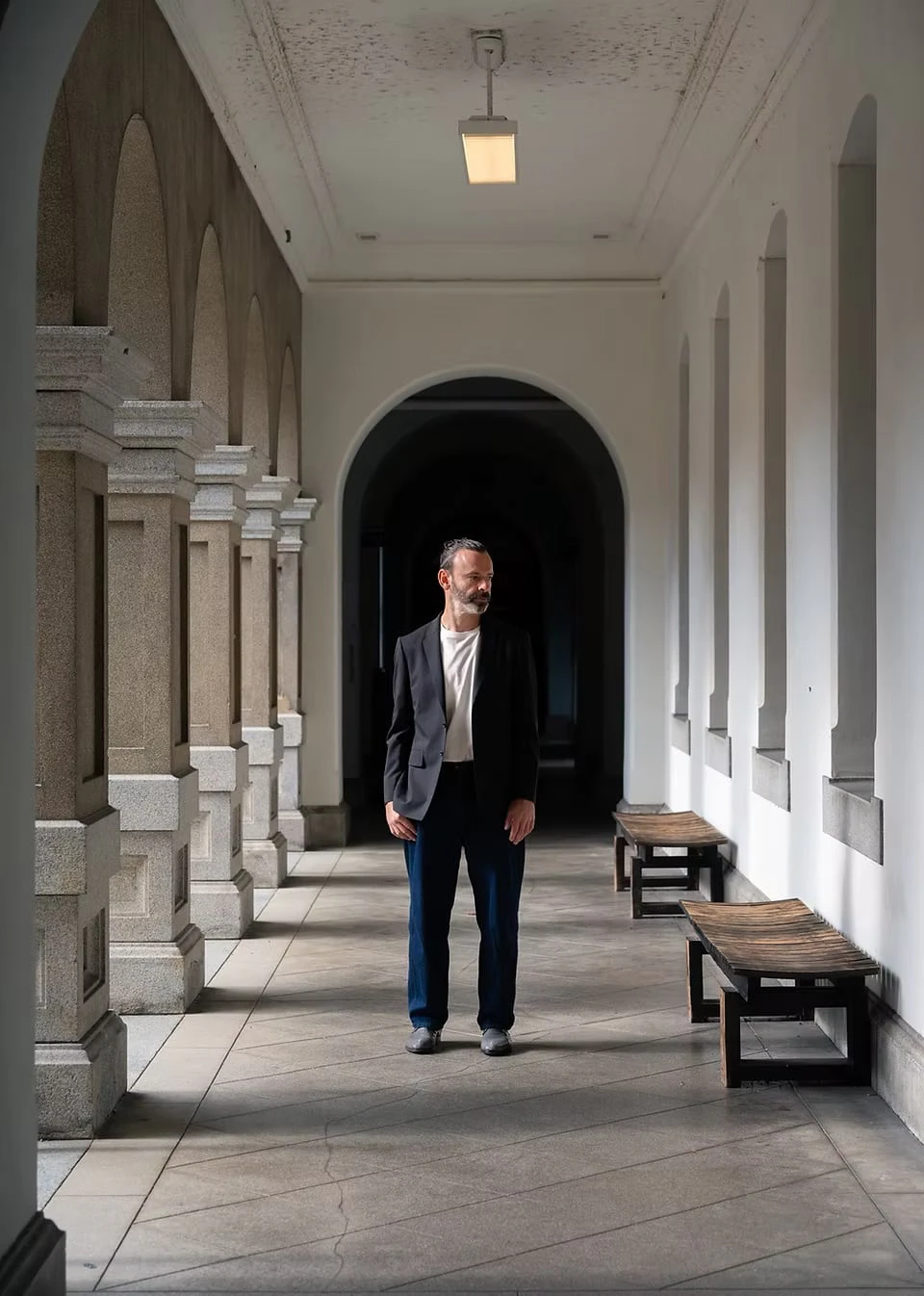
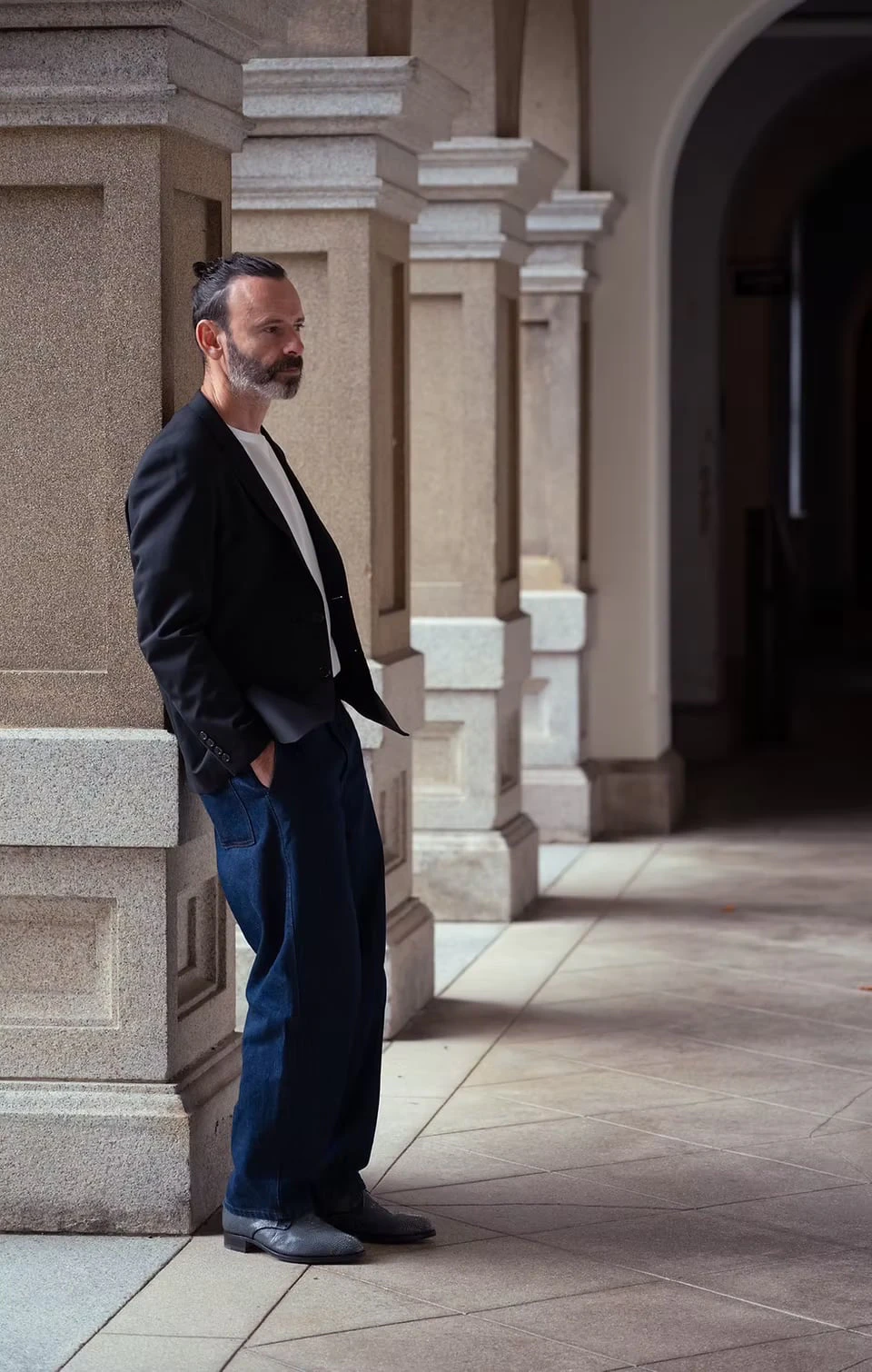

Garments That Reflect a Way of Being
A KOMOREBI Kyoto piece is not simply worn. It is inhabited.
It aligns the mind. It mirrors one’s way of being.
To stand in the light while embracing shadow as an ally. To communicate without speaking.

Beyond trends and beyond overt statements, KOMOREBI Kyoto embodies a distinctly Japanese form of quiet luxury, one that reflects character rather than status.
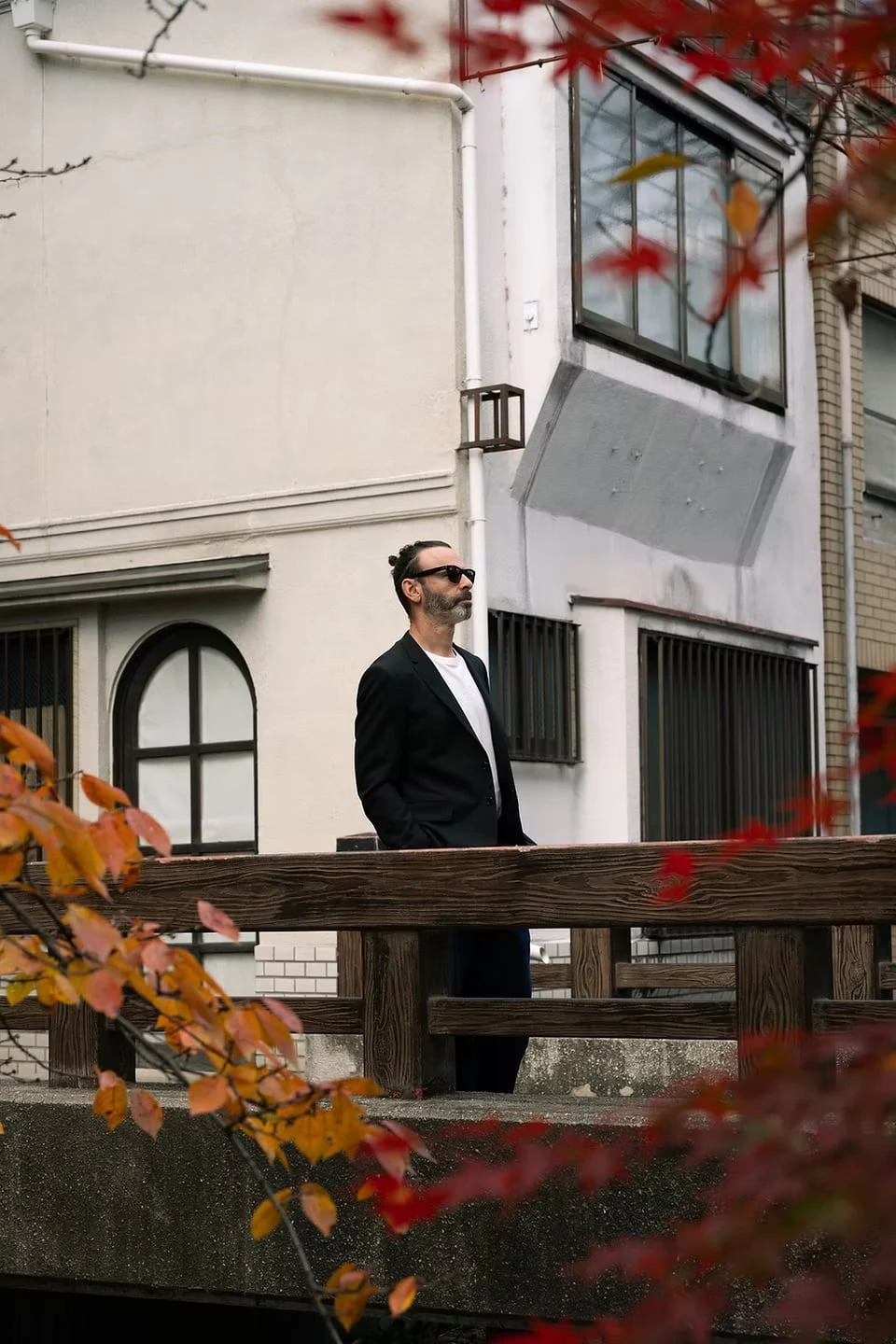
From Kyoto to the world, the brand continues to offer garments that carry the power of stillness, released gently, yet enduring across time.