
Yoshida Shoya: The Doctor Who Designed Mingei for Modern Life
A Tottori ear, nose and throat doctor, Yoshida Shoya turned Yanagi Soetsu's folk-craft philosophy into a working system of design, making and selling. A Tokyo retrospective traces how he did it.
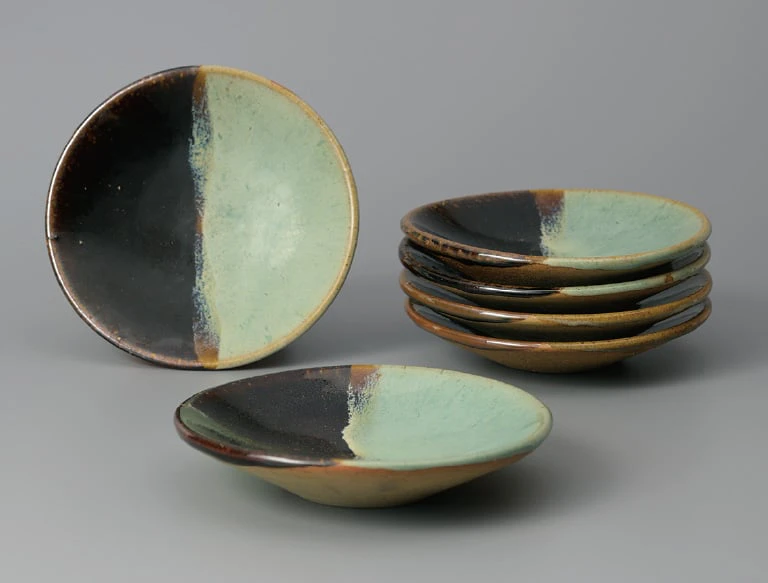
A small dish, split down the middle: green glaze on one side, black on the other. It was made in 1931 at the Ushinoto kiln in Tottori, on the Sea of Japan coast, and it is not a copy of an old pot. It is a new design that draws on the kiln's existing skills. Its author was not a potter but a local doctor.
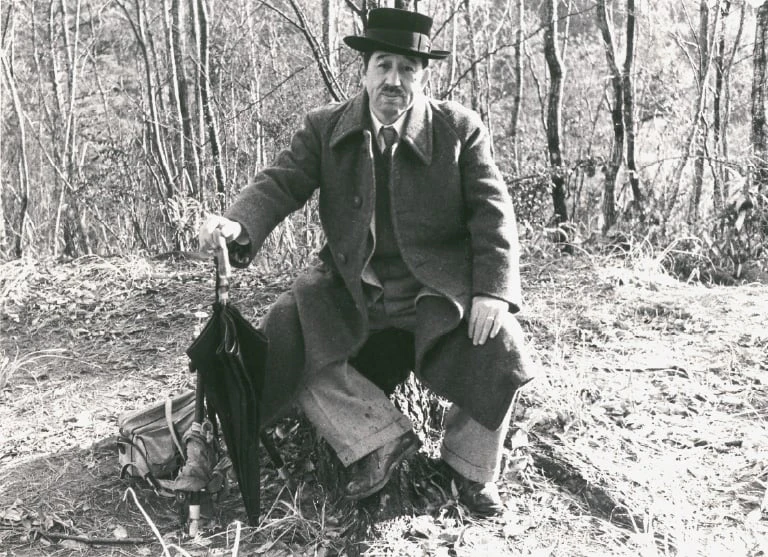
Yoshida Shoya (1898–1972) was born in Tottori and practised as an ear, nose and throat specialist. Alongside his medical work, he became one of the most practical figures in the mingei movement. He described himself as "a doctor with the heart of mingei".
Mingei, the folk-craft movement launched by the philosopher Yanagi Soetsu in the 1920s, is usually understood as a way of seeing: finding beauty in everyday objects made by anonymous craftspeople. Yoshida took the next step. He asked what such objects should look like in modern life, and then had them made. The Designs of Yoshida Shoya: Imagining the Future with the New Mingei Movement, at the Panasonic Shiodome Museum of Art in Tokyo, follows that project through around 300 works and documents.
From Shirakaba to mingei
Yoshida met Yanagi while studying at the Niigata Medical College, through friends who shared his enthusiasm for Shirakaba, the literary magazine around which Yanagi's circle had formed. Yanagi became his lifelong teacher. The potter Kawai Kanjiro later called Yoshida "the mother of mingei".
In 1931 Yoshida opened a clinic in Tottori. That same year he came across the plain Gorohachi tea bowls of the Ushinoto kiln and persuaded its owner, Kobayashi Hideharu, to work with him on new pieces. This was the beginning of what he called shinsaku mingei, or "new mingei": instead of only collecting and admiring old objects, he would work with craftspeople on new forms and uses, and bring the results to market.
Design, make, sell
What sets Yoshida apart is that he did not stop at design.
Takumi Craft Shop
In 1932 he opened Takumi, a shop dedicated to mingei, in Tottori. Yanagi chose the name, and it is described as the oldest surviving mingei shop in Japan. A Tokyo branch followed the next year, giving regional makers a direct route to urban customers.
From tableware to lighting
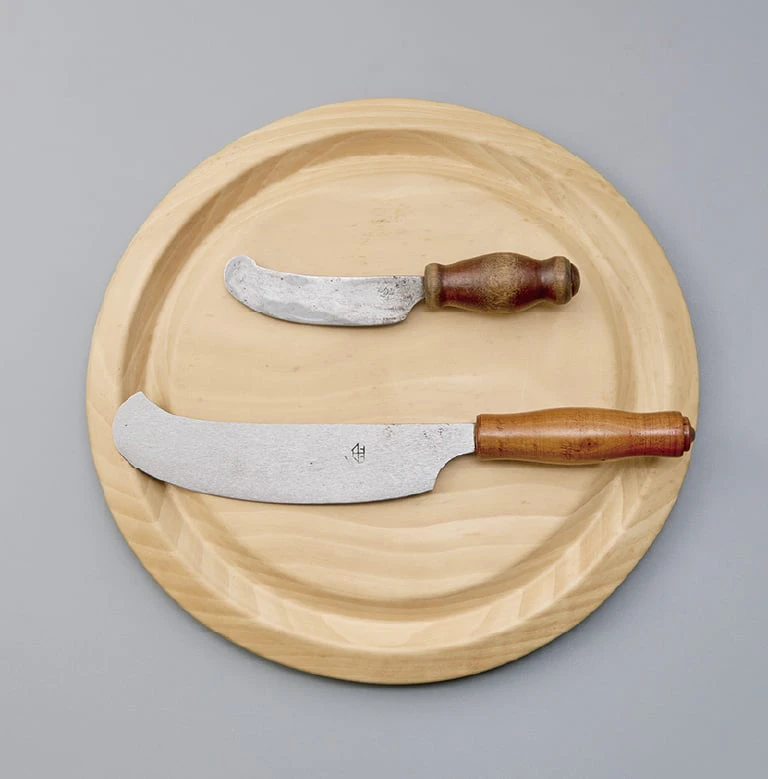
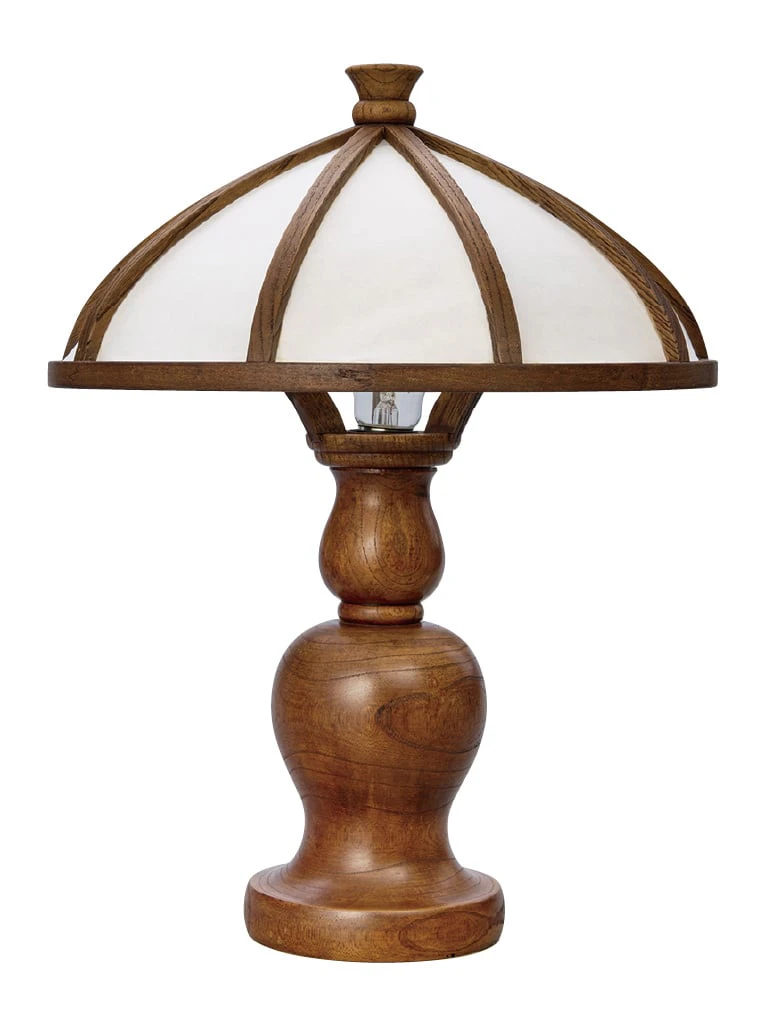
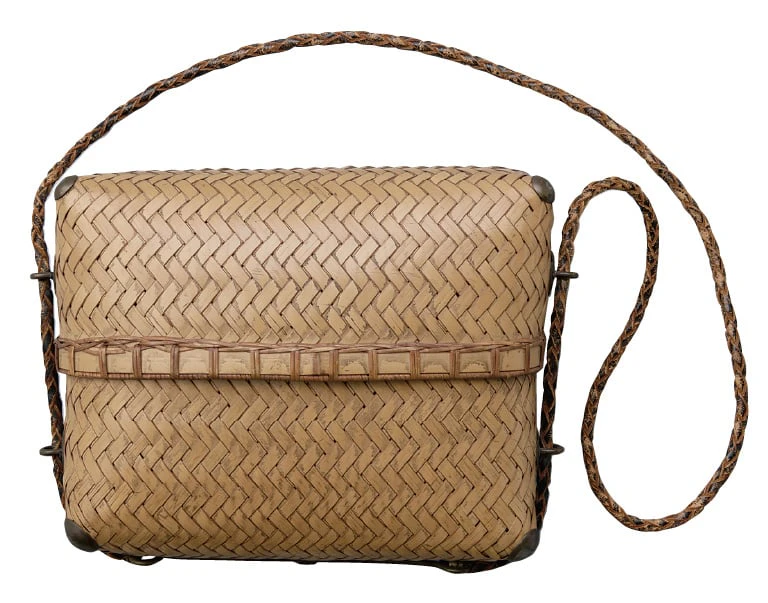
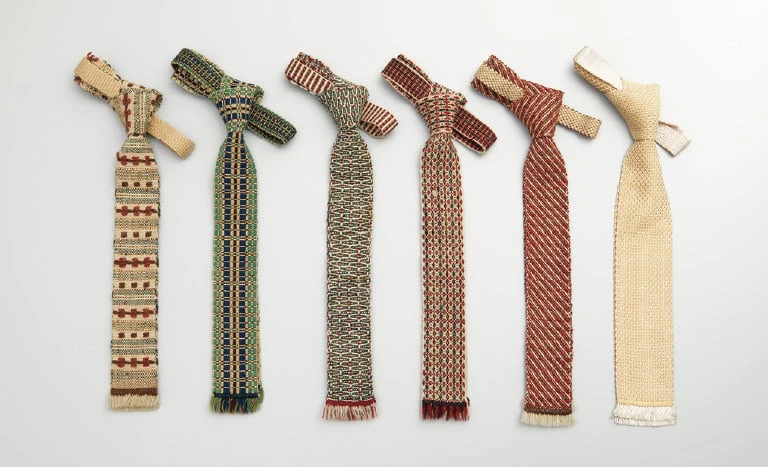
The range is striking: ceramics, woodwork, textiles, metalwork, lighting and furniture. There is a bread board made with a woodworker, a fruit knife forged by a smith and a table lamp with a rounded shade made with the craftsman Torao Masaji. Each applies traditional materials and techniques to homes that, in the 1930s, were mixing Japanese and Western ways of living. For European readers, the closest comparison may be the Arts and Crafts movement, but with a doctor acting as designer, producer and retailer.
Another mingei in China
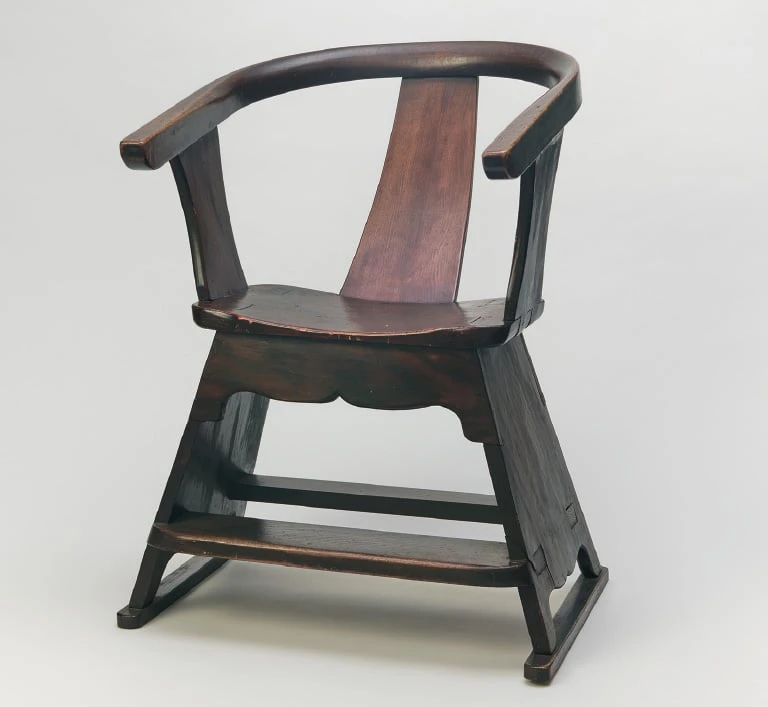
In 1938 Yoshida was sent to northern China as an army doctor. After his discharge he stayed on in Beijing, pursuing new mingei there until 1945. The exhibition treats this period as one in which ideals and reality collided. A bentwood armchair in a Chinese style shows him absorbing the techniques of another place into his own vocabulary.
A museum, a shop and a town
Back in Tottori after the war, Yoshida opened the Tottori Folk Crafts Museum in 1949. Its collection of about 5,000 objects brings together historical folk crafts from East and West with the new mingei made under his guidance. It was his way of making Yanagi's "standard of beauty" visible to anyone in a provincial town.
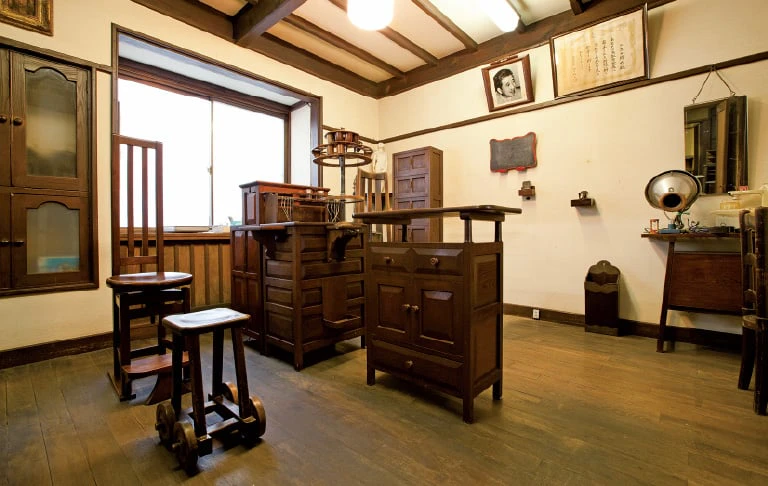
The exhibition presents the museum, the craft shop and the Takumi restaurant, where food is served on mingei tableware, as parts of one system for bringing craft into daily life. Full-scale reconstructions of parts of his former clinic and home show how he lived with the objects he designed.
His concerns also reached beyond craft. The final section covers his work to protect the Tottori Sand Dunes, the ruins of Tottori Castle and the Jinpukaku. For Yoshida, well-made objects and a well-kept town were part of the same idea.
Why Yoshida matters now
Maker, designer, retailer and the life of a place: the links Yoshida built are the ones many brands now try to create. Regional crafts survive only if they keep being used, and that takes new forms. A doctor in Tottori understood this almost a century ago.
He did not wait for useful beauty to appear. He designed it.